Health Finder | www.getridofearwax.com
This Guide Modified - 15/10/2026 02:01
Compare Ear Wax Clinics Close to You
Use this Health Finder to weigh up ear wax removal clinics across a wide spread of UK locations, then settle on a service that fits your day, your access needs, and the way you prefer to be treated. Each listing is built to help you assess the practical side fast, including treatment type, whether the clinic is on the ground floor, and if there is parking or step-free access. That becomes especially helpful when blocked ears, muffled hearing, pressure, or discomfort are already taking up space in your day. The idea is to make microsuction and manual instrument earwax removal easier to locate, particularly if you want a private audiology clinic rather than a broad search result.
What This Finder Lets You Compare
- Useful local context, such as proximity to a station, shopping centre, or a pharmacy-based clinic.
- Service consistency, so you can compare specialist ear care providers before making a booking.
- Clinic location, which helps you judge whether the site is near home, work, or a familiar transport link.
- Access details, including lifts, disabled parking, step-free entry, and ground-floor treatment rooms where available.
- The treatment approach, for example microsuction ear wax removal or manual instrument earwax removal by audiologists.
- Parking information that can save time if you are arriving by car or need short-stay parking nearby.
Choosing an Ear Care Provider That Fits
Picking the right clinic is not simply a matter of taking the shortest route. It also helps to think about the setting, the clinician's training, and whether the service feels right for your situation. Microsuction is often preferred because it is a dry procedure carried out with direct visual guidance, something many people find reassuring. Some patients also like the idea of earwax removal being handled by experienced audiologists rather than a general health service. If you wear hearing aids, have narrow ear canals, or deal with repeated wax build-up, a specialist approach may be especially useful. Read the listing carefully, because access, parking, and transport can make a real difference to how smoothly the appointment day runs.
Factors Worth Checking Before You Book
Look for clear details about the entrance, the floor the clinic is on, and whether disabled access is available. Those points matter if you use a wheelchair, have reduced mobility, or simply want a visit that feels straightforward from the outset. It is also sensible to check whether the clinic is near a station or main road, especially if you are travelling at busy times. Where a listing mentions free parking, on-street parking, or a multi-storey car park, you can plan ahead and cut down on stress. If you are comparing private ear wax removal options, the best choice is usually the one that balances access, convenience, and clinical quality.
Microsuction as a Common Choice for Wax Build-Up
Microsuction ear wax removal is one of the most widely used methods in private ear care because it lets the clinician remove wax under direct vision. Many people choose it when they have blocked ears, hearing loss caused by wax, tinnitus that worsens with wax, or a persistent feeling of fullness. The procedure is usually done with a microscope or specialist loupe equipment, plus a gentle suction device. Unlike irrigation, it does not depend on water, which can feel preferable for people with a history of ear problems or anyone who wants a dry procedure. In a well-organised clinic, the appointment should include assessment, explanation, treatment, and aftercare advice, so the visit feels clear and clinically grounded.
Why Many Patients Prefer Microsuction
- It gives the clinician a direct view of the ear canal, which can support precision and careful wax removal.
- It avoids flushing water into the ear, which some people want to avoid because of discomfort or previous ear infections.
- It is often available in specialist audiology clinics that focus on hearing care and ear health.
- It can suit hearing aid users, where wax build-up may affect comfort and sound quality.
- It is usually a brief outpatient appointment, which makes it practical for work, family, or travel commitments.
What Happens During Your Appointment
A good ear wax removal appointment should feel calm, structured, and clinically safe. You will usually be asked about your symptoms, any recent pain, previous ear infections, perforated eardrums, or surgery, because those details can affect the safest approach. The clinician may then look into the ear canal and explain whether microsuction, manual instrument removal, or another method is the most suitable option. If wax is present, treatment may start straight away. After removal, many clinics will check that the ear canal is clear and offer simple advice to keep your ears comfortable. The process is often straightforward, but the best experience usually comes from clear communication and a practitioner who explains each stage before moving ahead.
Questions to Ask at Reception or During Assessment
- What should I do if I have pain, discharge, dizziness, or a recent ear infection?
- Is the clinic accessible if I need step-free entry, a lift, or ground-floor treatment rooms?
- Will the clinician inspect both ears before treatment and explain what they can see in plain language?
- Is microsuction the main treatment here, or do you also offer manual instrument earwax removal when clinically appropriate?
- What aftercare advice do you give if I use hearing aids or get repeated wax build-up?
Planning Access, Parking, and Travel
For many people, the easiest clinic is the one that is simple to reach and simple to enter. That is why access details are so useful on a health finder page. If you are travelling by car, it helps to know whether parking is directly outside, nearby on-street, in a shopping centre car park, or limited to certain times of day. If you are coming by train or bus, a clinic close to a station or main road may suit you better. Step-free access matters too, especially for patients using mobility aids, attending with young children, or trying to avoid stairs. A clinic listing that gives clear directions can remove uncertainty and make the appointment feel far less tiring.
Access Details That Can Change the Experience
Ground-floor treatment rooms, disabled parking, wheelchair lifts, and proximity to public transport are not just convenience features, they can determine whether a clinic is realistic for you to attend. If you have limited mobility, a long walk from the car park or a route with stairs may be enough to make the visit difficult. The same can apply if you are dealing with hearing loss, fatigue, or dizziness. Clear location information also helps if you do not know the area well and need to plan a route that feels manageable. In short, access is part of good patient experience, not an afterthought.
Signs That Wax May Need Professional Removal
Ear wax is a normal part of ear health, but too much of it can lead to symptoms that are hard to ignore. Common signs include reduced hearing, blocked or full ears, ringing in the ears, itching, discomfort, or the sense that sound is muffled. Some people only spot a problem when hearing aids begin to whistle, sound distorted, or feel uncomfortable. Others realise they have been turning the television up more than usual. While ears often clear wax naturally, there are times when professional assessment makes sense, especially if home remedies have not helped or you have a history of impacted wax. A specialist clinic can inspect the ear canal and decide whether removal is needed.
When Clinical Advice Is Better Than Waiting
- If you have pain, discharge, dizziness, or bleeding, because those symptoms need proper clinical review.
- If wax keeps returning and is affecting your hearing aids, daily communication, or comfort.
- If your hearing has changed quickly, because sudden loss should be assessed promptly rather than assumed to be wax.
- If you have tried olive oil or another softening approach and the blockage still has not cleared.
- If you are unsure whether the problem is wax, infection, or another ear condition.
Private Earwax Removal and Confidence
Many people choose a private ear wax removal clinic because they want speed, specialist care, and a clear route to an appointment. That can be helpful if blocked ears are affecting work, study, driving, or everyday conversation. Private clinics often make it easier to find a nearby specialist audiologist, compare access information, and book without a long wait. Confidence matters too. If you have had an unpleasant ear experience before, or you feel nervous about treatment, a calm clinic setting and a practitioner who explains each step can make a real difference. A trustworthy provider should not promise miracles. It should offer careful assessment, realistic advice, and a treatment plan shaped by what is clinically appropriate for your ears.
What to Look for in a Reliable Provider
Check whether the clinic explains who carries out the procedure, what methods are used, and whether the team has experience in ear health and hearing care. Helpful listings often mention audiologists, microsuction, manual removal, and practical access details. Those are signs that the page is answering the questions patients actually ask. A reliable clinic should also be clear about suitability, especially if you have pain, a recent infection, or a complex ear history. Transparency builds trust and helps you decide more confidently before booking.
Who Specialist Earwax Care Can Help
Specialist ear wax removal can help a broad range of people, not only those with obvious blockage. If you wear hearing aids, wax can affect fit, feedback, and sound clarity. If you work in noisy environments or depend on hearing for daily communication, even mild build-up can become frustrating. Older adults may notice symptoms sooner too, because wax can harden over time and become harder to shift naturally. The right clinic should understand those differences and tailor the appointment accordingly. In many cases, the benefit is practical rather than dramatic, but hearing more clearly again often improves confidence, conversation, and comfort.
Examples of People Who Often Seek Treatment
- Adults whose hearing seems muffled, especially when one side is worse than the other or both ears feel blocked.
- People with hearing aids who need regular checks because wax can interfere with device performance and comfort.
- Anyone who wants a dry, direct-vision procedure carried out by an experienced audiology clinician.
- Patients who have repeated wax build-up and prefer a specialist rather than relying on home softening drops alone.
- People with a busy schedule who need a clinic that is easy to reach, with clear transport or parking links.
How to Read the Clinic Listings Here
Each clinic entry gives you practical information so you can compare services quickly and choose with confidence. The location name tells you where the clinic is based, while the surrounding text may note whether it is in a pharmacy, health centre, therapy space, or specialist spa setting. You may also see whether the building has free parking, a nearby station, disabled parking, or ground-floor access. These details matter because ear wax removal is often a short appointment, and the logistics around it should not be more complicated than the treatment itself. By reading each listing carefully, you can decide which clinic best matches your access needs and travel plans.
Why This Layout Helps Patients Decide Faster
When a page is organised around treatment type, location, and access, it becomes much easier to compare options without opening lots of tabs or starting another search. That saves time and reduces uncertainty. It also helps when you are choosing between several clinics in the same part of London or the South East. Rather than guessing which site is suitable, you can use the practical notes to narrow the field. The best clinic for you is not always the nearest one, but the one that fits your needs most closely.
What to Check Before Booking Online
Booking ear wax removal online is convenient, but it is still worth checking a few details before you confirm. The most useful questions are often the simplest ones, because they tell you whether the clinic is set up for your needs. If you are travelling from outside the area, parking and access matter. If you have a particular ear history, you may want to know whether microsuction is available and whether the clinician can assess suitability first. A good health finder page should give you enough information to ask informed questions, rather than leaving you to guess under pressure.
Useful Checks Before You Confirm an Appointment
- Is the service delivered by an audiologist or another clinician with experience in earwax removal?
- Is the clinic suitable for my mobility needs, including a lift or step-free access if I need it?
- Do they use microsuction, manual instrument removal, or both, depending on the ear examination?
- Can I park nearby, and is there clear guidance if I am arriving by train, bus, or car?
- What should I do before the appointment if I have used softening drops or if I have ear pain?
Explore our list of trusted clinic providers to find a health clinic that suits you:

Ashford: Private Microsuction Ear Wax Removal in Ashford Tn24

Barnet: Private Microsuction Ear Wax Removal in Barnet En5
Cambridge: Private Microsuction Ear Wax Removal in Cambridge Cb2

Colindale: Private Microsuction Ear Wax Removal in North West London Nw4
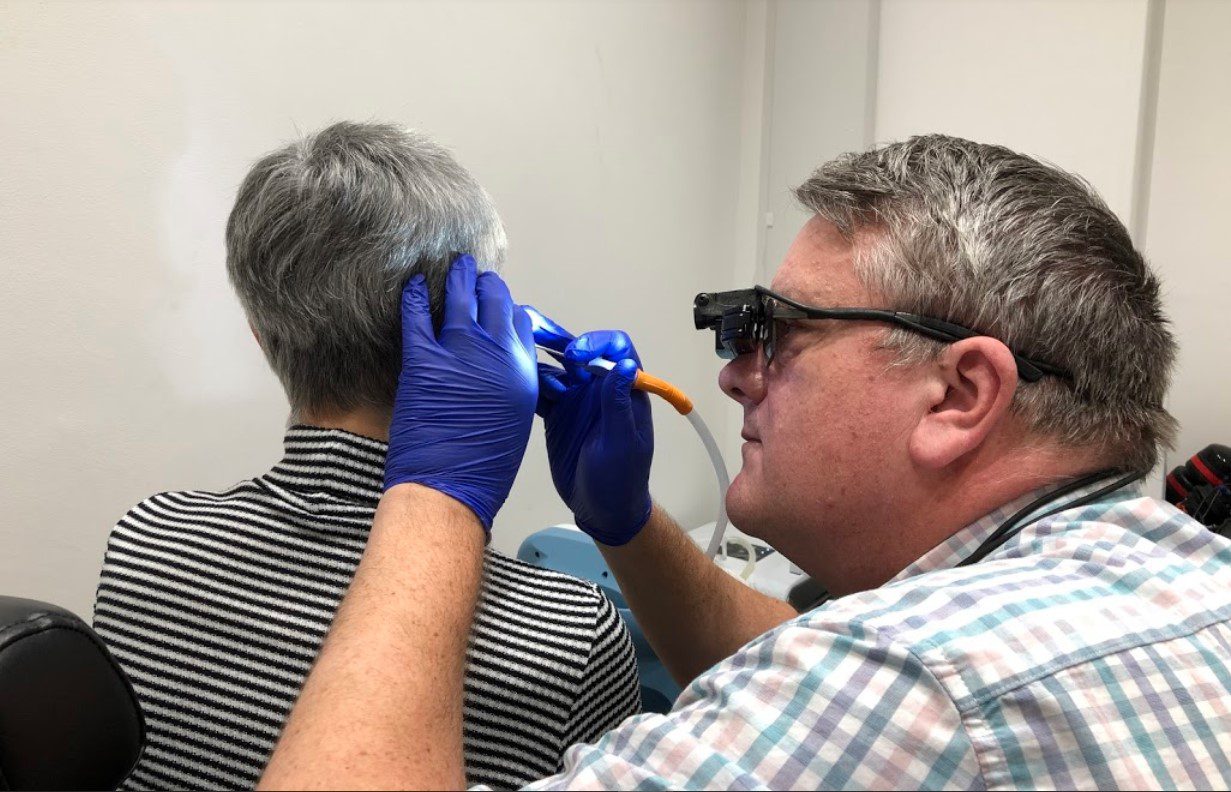
Ealing: Private Microsuction Ear Wax Removal in Ealing W5

East Finchley: Private Microsuction Ear Wax Removal in East Finchley N2
Edgware: Private Microsuction Ear Wax Removal in North London Nw4

Enfield: Private Microsuction Ear Wax Removal in Enfield En1
Finchley: Private Microsuction Ear Wax Removal in Finchley North London
Hastings: Private Microsuction Ear Wax Removal in Hastings Tn34
Hendon: Private Microsuction Ear Wax Removal in North West London Nw4
Hythe: Private Microsuction Ear Wax Removal in Hythe Ct21
Kingston: Private Microsuction Ear Wax Removal in Kingston-Upon-Thames Kt6
Mill Hill: Private Microsuction Ear Wax Removal in North West London Nw4

Milton Keynes: Private Microsuction Ear Wax Removal Mk in Bucks Mk2

Muswell Hill: Private Microsuction Ear Wax Removal in Muswell Hill N2

Oxford: Private Microsuction Ear Wax Removal in Oxford Ox2
Reading: Private Microsuction Ear Wax Removal in Reading Rg30

St Albans: Private Microsuction Ear Wax Removal in St Albans Al1
Surbiton: Private Microsuction Ear Wax Removal in Surbiton Kt6

Watford: Private Microsuction Ear Wax Removal in Watford Wd3

Welwyn Garden City: Private Microsuction Ear Wax Removal in Welwyn Al8
Keeping Ears Comfortable After Treatment
After ear wax removal, most people just need a little reassurance and a few straightforward pointers. Your clinician may explain what to expect over the next day or two, especially if the ear canal was already irritated by the build-up. It is sensible to keep ears dry unless your practitioner tells you otherwise, and to avoid putting cotton buds, hairpins, or other objects into the ear canal. Those habits can push wax deeper and make future blockages more likely. If you use hearing aids, regular cleaning and maintenance can also help reduce problems. Good aftercare is not complicated, but it does support comfort and helps you protect the benefit of the treatment.
Small Habits That Support Healthier Ears
Use softening drops only when they are appropriate for you, and follow clinical advice if you have had ear surgery, a perforated eardrum, or ongoing ear symptoms. If wax build-up keeps returning, it may be worth asking about periodic checks or a maintenance plan. Hearing care is often about prevention as much as treatment, and a specialist clinic can help you understand what is normal for your ears. Clear advice, careful treatment, and realistic expectations are the foundation of good ear health.