St Albans AL1: Private Microsuction Ear Wax Removal, How It Works and What to Expect
Listing Last Updated on 13 Oct 2026, 21:15

Waxfree Guarantee™: The only ear wax removal clinic in St Albans offering the Waxfree Guarantee™.
We’re the only specialist microsuction ear wax removal clinic in St Albans offering Microsuction Earwax Removal and Manual Instrument Earwax Removal, carried out by our expert Audiologists. Every practitioner we work with has been carefully selected by our founder, Jason Levy. In St Albans, that is why many people turn to us when they want a trusted ear wax removal team.
Our convenient location in St Albans also serves City Centre, Fleetville, Marshalswick, Sopwell, St Peter’s, Verulam, Camp, Cottonmill, Cunningham, Jersey Farm, London Colney, Park Street, Bricket Wood, Chiswell Green, Napsbury, Redbourn, Harpenden, Wheathampstead, Sandridge, Hatfield, Welham Green, Brookmans Park, Borehamwood, Radlett, Bushey, Watford and surrounding areas.
What Private Microsuction Appointments Involve
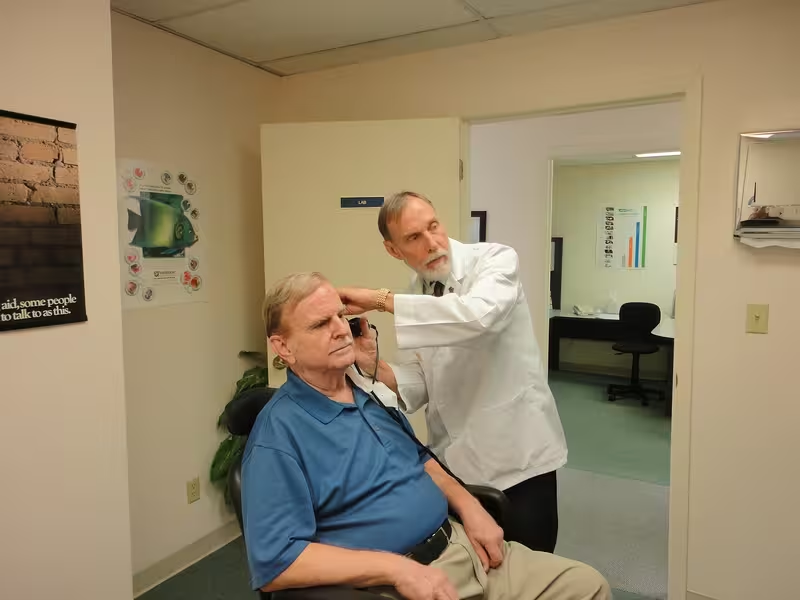
If you are considering private microsuction ear wax removal in St Albans AL1, the main purpose is to clear excess cerumen safely, improve hearing clarity, and relieve the blocked feeling that can lead to muffled sound, pressure, or ringing. Microsuction uses a gentle medical suction device alongside a bright microscope or magnification, allowing the clinician to see the ear canal clearly throughout the treatment. That level of visibility is one reason many patients prefer it to irrigation, particularly if they have had previous ear surgery, a perforated eardrum, ear infection, or sensitive canals. In a private setting, the appointment usually begins with assessment and then moves to removal if it is suitable on the day. You can expect the audiologist to ask about symptoms, ear health, hearing aids, and any pain or discharge before deciding on the safest approach. For many people the process is quick, although the exact length depends on how firm the wax is, whether one or both ears are affected, and how easily the wax comes away.
Why Microsuction Is Often Chosen Instead of Other Methods
Microsuction is popular because it is controlled, clean, and suitable for a wide range of ear conditions. Unlike ear syringing, it does not depend on water pressure, so it can suit people who prefer a drier method or have a history that makes irrigation less appropriate. It can also be helpful when wax sits close to the eardrum, where precision is especially important. Many patients book privately because they want quicker access, clear explanations, and treatment from a trained audiologist or hearing professional. If you wear hearing aids, blocked wax can reduce device performance and make sound seem distorted, so clearing the canal can make a noticeable difference. The appointment is generally designed to stay calm and efficient, with the clinician checking comfort as they go and pausing if anything feels wrong. Good practice is guided by your symptoms, ear anatomy, and overall ear health, rather than a fixed routine.
How the Assessment and Treatment Usually Unfold
A typical private microsuction appointment starts with a short discussion about your symptoms, medical history, and whether you have experienced dizziness, tinnitus, ear pain, infection, or previous ear operations. The clinician then examines the ears with an otoscope or microscope to confirm that wax is the likely cause of the blockage and that removal is suitable. If microsuction is appropriate, the suction probe is positioned gently in the ear canal and wax is removed in small, controlled steps. You may hear a soft suction sound and feel light pressure, but the procedure should not be painful. Good clinicians explain what they are doing as they work, which helps many patients feel more settled, especially if they have had a difficult experience with ear syringing before. Some wax clears quickly, while harder or deeper wax may take longer and, on occasion, need a different approach such as softening drops or manual instruments. The overall aim is to improve comfort, restore hearing, and reduce the chance of avoidable irritation.
Checks a Careful Clinician Should Make First
Before removal begins, the clinician should check for signs that microsuction is the safest option for you. This usually includes looking for infection, inflammation, excessive narrowing, foreign bodies, or skin conditions that might mean another plan is needed. They may ask about recent ear pain, discharge, vertigo, or a known perforation, because those details matter when deciding between microsuction, manual ear toilet, or referral elsewhere. A thorough assessment is not simply routine, it helps protect the ear and improves the chance of a good outcome. If the canal is too swollen or the wax is very compacted, you may be advised to use wax softening drops and return later. That cautious approach is a sign of professionalism, not delay. It shows the service is prioritising ear health, hearing care, and safe removal rather than just finishing the procedure as quickly as possible.
What You May Notice While the Wax Is Being Removed
Most people stay seated throughout and can speak to the clinician whenever they need to. It is common to notice a cool draft of air, brief suction sounds, or gentle movement in the ear, but sharp pain is not expected. If discomfort does appear, the clinician should pause and reassess. Some people find the sensation unusual rather than unpleasant, particularly if they have never had microsuction before. Afterwards, hearing often feels clearer straight away, although the ear may feel slightly sensitive for a short while if the wax was especially impacted. Any clinician carrying out the procedure should explain aftercare in plain English, including when to seek advice if symptoms do not settle. That practical guidance matters because the aim is not only to remove wax, but also to leave you confident about what happens next and what to watch for over the following day or two.
Tip: Bring a Brief Symptom History
It helps to mention how long the blockage has been present, whether one ear or both ears are affected, and whether you use hearing aids. Small details can help the audiologist choose the most suitable technique and decide whether microsuction can be completed in a single visit.
Useful Detail: Recent Drops Can Affect the Appointment
If you have already used olive oil, sodium bicarbonate drops, or another softening product, let the clinician know at the start. Wax that has been pre-treated may come away more readily, but it can also change the look of the ear canal and influence how the clinician plans the removal.
Our Available Ear Care Services
- Manual Instrument Ear Wax Removal
- Microsuction Ear Wax Removal
- Under 18 Microsuction Ear Wax Removal: We provide microsuction ear wax removal for age 12-17 when accompanied by a parent or guardian.
- Impartial Hearing Aid Advice: If you want friendly, impartial advice, we are an independent company that is not part-owned by a hearing aid manufacturer, so we can advise you on which model will be the most appropriate, given your unique lifestyle requirements. We provide all the latest digital invisible, rechargeable, bluetooth and iPhone-compatible hearing aids.
- Hearing Tests: We can test your hearing and explain the meaning of your test results – We are not part-owned by a hearing aid manufacturer, so unlike some High Street chains, we won’t offer you a “free” hearing test and then push you to buy hearing aids.
Hearing First St Albans
Ginger Natural Health,
Email: [email protected]
URL: https://www.hearingfirst.co.uk/book-ear-wax-removal-near-me/book-microsuction-ear-wax-removal-st-albans/
Professional ear wax removal St Albans Audiologists. Conveniently located in St Albans, our clinic offers specialist ear wax removal services for people in St Albans and the wider Hertfordshire area. We are the only ear wax removal clinic in St Albans that offers The Hearing First Waxfree Guarantee™, so if you have a blocked ear, come to our ear wax removal St Albans clinic. We really are the ear wax removal experts in St Albans.
What to Expect Before, During, and After Your Appointment
Research Catalogue Results for Ear Wax Removal
- The auricular cough reflex: lateralization, prevalence, procedural determinants, and the role of examiner handedness. - van de Loo J, Mayer M, Sharaf K, Eckel H, Jansen L, Klussmann JP, Luers JC., 2026.
- High-definition otoscopic device for humanitarian mission: how i do it. - Lechien JR, Maniaci A, Kipsang MJ, Kibor M, Vaira LA., 2025.
- Use of Castor Oil in Dermatology: A Narrative Review. - Girdler K, Cabatu A, Olds H, Potts GA., 2026.
Source: Europe PMC. These are bibliographic matches, not personalised medical advice or an endorsement of a treatment.
Patients often feel more comfortable when they understand how the appointment is likely to run. Before treatment, you will usually be asked a few questions about ear pain, hearing loss, discharge, infections, surgery, and any dizziness or balance symptoms. You may also be asked about medication, hearing aids, and any previous wax removal experience. During treatment, the clinician will usually use magnification to inspect the ear canal and then remove wax carefully with microsuction or another suitable method. The process is normally efficient, but the clinician may stop to check comfort, particularly if the wax is dry, sticky, or close to the eardrum. After treatment, many people notice clearer hearing, less pressure, and a fuller sense of sound. If both ears were blocked, the difference can be immediate and striking. Your clinician should also advise if you need to keep the ear dry for a short period, avoid cotton buds, or return for a review if symptoms continue. Good aftercare helps protect the canal and reduce the chance of repeated blockage.
Common Reasons People Choose Private Ear Wax Removal
- Blocked hearing that makes speech seem muffled, especially in meetings, shops, or social situations where clarity matters.
- Problems with hearing aids, such as whistling, reduced volume, or wax stopping the dome or canal piece from sitting properly.
- Tinnitus that feels worse when wax builds up, because the blockage can make internal sounds seem more noticeable and intrusive.
- Ear fullness or pressure that does not improve, even after softening drops or home care advice has been tried.
- Previous difficulty with irrigation or ear syringing, where a gentler and more controlled option feels more suitable.
Booking privately can be helpful if you want prompt access, a calm setting, and an explanation that is tailored to your ears rather than a rushed appointment. It also allows the audiologist to focus on hearing care as well as wax removal, which is useful if you have ongoing ear concerns that deserve proper attention.
Audiologist-Led Care for Comfortable, Careful Wax Removal
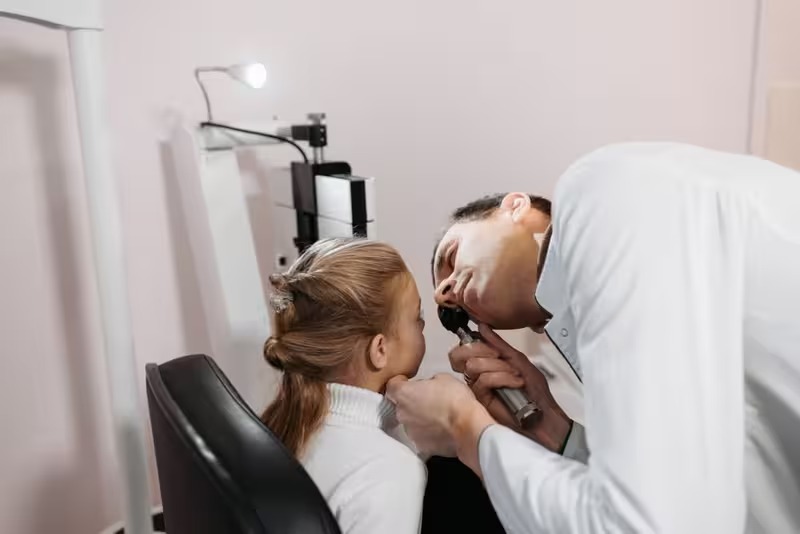
Your ears and hearing are delicate, so their care should be in expert hands. Some providers delegate ear wax removal to lay people and treat it as a routine procedure, but we believe it requires the skill and experience of a trained Audiologist.
At our clinic, we ensure that your ears are looked after by a specialist with detailed knowledge of ear anatomy and physiology. This helps to minimise the risk of injury and supports a safe, effective procedure tailored to your needs. Your hearing is too important to leave to chance, and only qualified Audiologists perform ear wax removal are committed to providing the highest standard of care.
Hearing First St Albans – Microsuction Ear Wax Removal St Albans Map Al1
Audiologist-Led Ear Wax Care: a Careful Local Approach
When arranging ear wax removal in St Albans, it makes sense to choose a service that treats the ear as a delicate part of the hearing system rather than as a routine task. This clinic says its ear wax removal is carried out by qualified Audiologists, professionals with detailed knowledge of ear anatomy and physiology. That can be reassuring if you have a blocked ear, reduced hearing, or uncertainty about the best next step.
- Microsuction and other appropriate techniques should be carried out with careful attention to comfort and ear safety.
- Care is centred on an individual assessment of your needs before wax removal is undertaken.
- Audiologist-led treatment may help you feel better informed about the procedure and your hearing concerns.
Professional ear care matters because every ear canal and wax build-up is different. The clinic's stated approach is to minimise the risk of injury by placing treatment in the hands of a specialist, while aiming for an effective procedure tailored to the patient. If you are considering an appointment, explain any symptoms, previous ear problems or concerns when booking, so the team can guide you on whether ear wax removal is appropriate for you.
Who May Be Suitable for Microsuction, and When Another Option May Be Better
Microsuction is suitable for many adults and can also be appropriate for some younger patients when carried out by a trained professional and when a parent or guardian is present, where required by the clinic's policy. It is often a sensible choice for people with recurrent wax, sensitive ear canals, hearing aids, or a history that makes water-based treatment less suitable. That said, not every blocked ear should be managed in the same way. If there is active infection, severe pain, significant bleeding, or an unexplained discharge, the clinician may decide that removal should wait or that a GP, ENT specialist, or urgent care service is more appropriate. In some cases, manual instrument removal can be the better method, especially if the wax is near the opening of the canal and can be lifted out carefully with a fine instrument. A responsible service will explain the reasons for its recommendation clearly, so you know why a particular technique is being offered and what the next step should be if treatment cannot go ahead immediately.
When Manual Wax Removal May Be the Better Choice
Manual ear wax removal, sometimes called ear toilet, may be selected when the wax sits in a position that can be reached safely with specialised instruments, or when the clinician wants to avoid suction in a very narrow canal. This method still demands skill, good lighting, and a steady hand. It is not a home remedy, and it should only be carried out by someone trained to work inside the ear. For some patients, manual removal can be the best way to complete treatment after a little microsuction has cleared the field. For others, it may be the first choice because the ear shape, wax texture, or medical history makes it more suitable. The important point is that the method should match the ear in front of the clinician, not a preset template. That is where private audiology-led care can be reassuring, because the approach can be adapted in real time if the ear canal is tender, blocked, or harder to access than expected.
How Children and Teenagers Are Usually Managed
Under-18 appointments should be handled with extra care, clear explanations, and age-appropriate communication. For younger patients, the clinician may need to work more slowly and ensure a parent or guardian is present to support consent and comfort. The same safety checks still apply, but reassurance becomes even more important because the procedure may feel unfamiliar or noisy.
Tip: Bring Any Previous Ear History to the Appointment
Notes about grommets, past infections, perforations, or ENT visits can save time and help the clinician avoid methods that are not suitable for that ear. A short written history is often enough and can be very helpful.
Useful Detail: Wax Softening Is Not Always Needed
Some wax can be removed straight away, but hard or compacted wax may respond better if you use drops first. The clinician will decide whether immediate treatment or a staged approach is safer, based on the appearance of the ear and the impact of the blockage.
What Does Ear Wax Removal in St Albans Cost?

Published Payment Methods
- Credit cards
- Debit cards
- Contactless or NFC payments
Payment information may change. Confirm prices, insurance eligibility and accepted methods directly with the provider. Place attributes are provided by Google Maps.
Ear wax removal in St Albans starts at £34. Pricing can vary depending on whether it is one ear or two, and how far in advance the booking is made. The best thing to do is click the Book button below, then select Find Appointments, where the most up-to-date prices will be shown.
32 Interesting Facts About St Albans
- St Albans South Signal Box: St Albans South signal box, opened in 1892, is a preserved Midland Railway box beside the Thameslink line and is maintained by the St Albans Signal Box Preservation Trust.
- The First Battle of St Albans: The First Battle of St Albans was fought in the town on 22 May 1455 and is conventionally regarded as the opening battle of the Wars of the Roses.
- Alban Arena: The Alban Arena is St Albans' principal performance venue, presenting theatre, music, comedy, film and community events in the city centre.
- The Maltings Arts Theatre: The Maltings Arts Theatre is a small independent venue in a former maltings building, hosting theatre, music and comedy close to the city centre.
- St Albans Organ Theatre: St Albans Organ Theatre houses a collection of mechanical musical instruments, including theatre organs, self-playing pianos and music boxes.
- St Albans School: St Albans School traces its foundation to 948 and is among the oldest schools in the United Kingdom, occupying buildings near the cathedral precinct.
- Loreto College: Loreto College is a Roman Catholic girls' school founded in St Albans in 1922 and run in the tradition of the Institute of the Blessed Virgin Mary.
- Oaklands College: Oaklands College has a campus on the eastern side of St Albans and provides further education, apprenticeships and higher education courses.
- University of Hertfordshire Origins: The Hatfield Technical College, an institutional predecessor of the University of Hertfordshire, was founded in St Albans in 1952 before moving to Hatfield.
- Samuel Ryder: Seed merchant Samuel Ryder lived in St Albans and donated the gold cup used for the first Ryder Cup golf contest in 1927.
- Ryder House: Ryder House in Holywell Hill was the home of Samuel Ryder and is a prominent reminder of the businessman whose name became attached to the Ryder Cup.
- St Albans Cathedral: St Albans Cathedral is one of the most recognisable landmarks in the city and has a history stretching back to Roman times. It stands on the site traditionally associated with the martyrdom of Saint Alban, Britain’s first recorded Christian martyr.
- Roman Verulamium: Modern St Albans developed beside the remains of Verulamium, one of Roman Britain’s largest towns. The archaeological site includes the remains of a Roman theatre, city walls and other important discoveries.
- The Best Ear Wax Removal In St Albans: Specialist ear wax removal in St Albans is available at Hearing First St Albans. Click here to book ear wax removal in St Albans now!
- Verulamium Park: Verulamium Park covers a large area of green space around the remains of the Roman city. The park is popular for walking, recreation and exploring St Albans’ Roman heritage.
- The Roman Theatre: The Roman Theatre of Verulamium is unusual because it is a theatre rather than the more commonly found Roman amphitheatre. It was built around AD 140 and could accommodate large audiences.
- St Albans Clock Tower: St Albans is home to one of the few surviving medieval town belfries in England. The Clock Tower was built in the early 15th century and remains an important feature of the city centre.
- St Albans Market: The city’s traditional market has operated for centuries and remains an important part of local life. Market stalls can be found in the city centre on regular trading days.
- Ye Olde Fighting Cocks: This historic pub near St Albans Cathedral is widely associated with claims of being one of Britain’s oldest pubs. Its history and exact origins have been the subject of considerable discussion, adding to its local character.
- St Albans Abbey Gateway: The Abbey Gateway dates from the medieval period and once controlled access to the precinct of St Albans Abbey. Today it forms one of the city’s most recognisable historic entrances.
- The Hertfordshire County Show: The Hertfordshire County Show has been held in the region for generations, celebrating agriculture, countryside traditions, animals, food and rural life.
- Roman Mosaic Discoveries: Archaeological excavations around Verulamium have uncovered impressive Roman mosaics, giving visitors an insight into the wealth and sophistication of the ancient settlement.
- Gorhambury Estate: Gorhambury is a historic estate close to St Albans with connections to the Bacon family. The estate has played an important role in the area’s history for centuries.
- St Albans Museum + Gallery: Located in the former Town Hall, St Albans Museum + Gallery hosts exhibitions exploring local history, art and culture. The building itself is an important part of the city’s architectural heritage.
- The Alban Way: The Alban Way is a popular walking and cycling route following the former Hatfield and St Albans railway line. It provides a green corridor between St Albans and Hatfield.
- St Albans’ Roman Walls: Sections of the Roman city walls can still be seen around Verulamium. They provide a tangible reminder of the scale and importance of the ancient settlement.
- The River Ver: The River Ver runs through the St Albans area and has influenced the landscape and settlement around the city for centuries. Parts of the river can be explored through local walking routes.
- The Hertfordshire Yeomanry: St Albans and the surrounding area have longstanding military connections, with local regiments and volunteer units forming part of Hertfordshire’s history.
- The Cathedral’s Nave: St Albans Cathedral has one of the longest cathedral naves in England. Its combination of Norman architecture, medieval decoration and later additions makes it a major historic building.
- The Abbey Orchard: Areas surrounding the cathedral and former abbey precinct contain attractive gardens and green spaces, offering quieter places to explore close to the city centre.
- St Albans Festival: St Albans hosts a variety of cultural events and festivals throughout the year, bringing together music, arts, food and community activities across the city.
- St Albans and Hertfordshire’s History: From its Roman origins as Verulamium to its development as a medieval religious centre and modern Hertfordshire city, St Albans has an unusually rich historical story packed into a relatively compact area.
Aftercare, Recovery, and When to Seek Further Advice
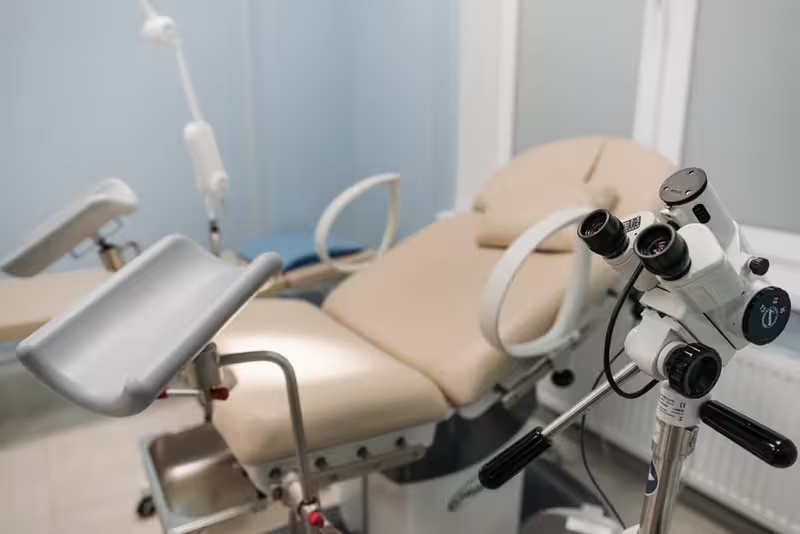
After microsuction or manual wax removal, most people can return to normal activities straight away. Some notice an immediate improvement in hearing, while others find that the ear feels slightly sensitive or oddly open for a short time as the canal adjusts. If wax had been pressing on the eardrum for a while, sounds may seem unusually loud at first, but this usually settles. A good clinician will explain what is normal and what is not, including when to get back in touch if discomfort continues, if hearing does not improve, or if new symptoms appear. It is sensible to avoid poking the ear with cotton buds, hairpins, or tissues, because these often push wax deeper and can irritate the skin. If you are prone to repeated wax build-up, you may also be given practical advice about maintenance and when to consider a follow-up hearing check. Good aftercare is part of the service, because successful ear care is not only about removing wax on the day, but also about helping you protect your hearing and reduce repeated blockage in future.
- Expect clearer hearing quickly in many cases, although the final sensation can settle over several hours as the ear canal relaxes.
- Avoid putting water, buds, or other objects into the ear unless you have been specifically told to do so by the clinician.
- If you develop pain, discharge, dizziness, or a persistent change in hearing after treatment, contact the clinic or seek medical advice.
- If wax returns regularly, ask about preventive steps, hearing aid cleaning, and whether periodic checks would suit you.
- Keep any follow-up advice in mind, especially if you have ear surgery history, a perforated eardrum, or ongoing tinnitus.
For many people, the biggest benefit is straightforward: the reassurance that the blocked ear has been properly assessed and carefully treated. That matters, especially if the problem has been affecting work, sleep, or everyday conversations.